
How Public Speaking Helps Kids Become Better Listeners

Updated: Jul 16
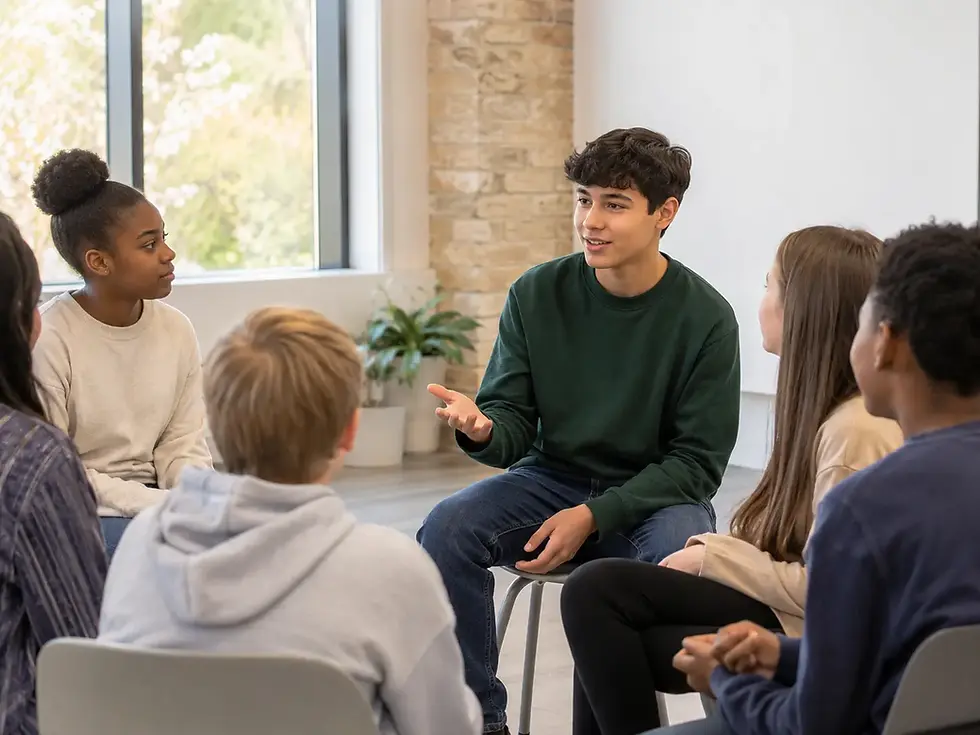
When parents think about public speaking, they often picture a child standing at the front of a classroom giving a speech. That is part of it, but it is not the whole story.
Public speaking is also about listening.
A child who learns to speak clearly in front of others also learns how to pay attention, read the room, respond to questions, understand different points of view, and organize their own thoughts before jumping in. That is why public speaking can be such a powerful confidence-building tool for kids and teens. It not only helps them become better speakers. It helps them become better communicators.
And strong communication starts with listening.
For school-age kids and teens, better listening can show up in many places. It helps during classroom discussions, group projects, presentations, debates, interviews, leadership opportunities, and even everyday conversations with teachers, coaches, parents, friends, and people in positions of authority.
At Stand Up and Speak, we see this all the time. A student may come in because they are nervous about speaking in front of others. Over time, they do not just learn how to project their voice or stand with better posture. They also learn how to listen to feedback, follow a conversation, respond thoughtfully, and build the confidence to share their own ideas.
That is the real value. Public speaking is not performance training for naturally outgoing kids. It is a learnable skill that helps quiet, shy, nervous, energetic, thoughtful, or unsure students become more comfortable expressing themselves.
Public Speaking Teaches Kids to Listen Before They Speak
Many children and teens are used to thinking about what they want to say next. That is normal. Adults do it too, usually while pretending they are “processing.” Nice try, everybody.
But strong communication requires more than waiting for your turn.
Public speaking practice teaches students to listen first. When a student is asked to respond to a question, participate in a discussion, give feedback to a peer, or answer a follow-up question after a presentation, they have to pay attention to what was actually said.
That matters.
A child who listens carefully can answer the real question rather than guess. A teen who listens carefully can build on someone else's point rather than repeat their own. A student who listens carefully can disagree respectfully because they understand the other person's position.
This is especially important in school. Teachers notice students who can listen, think, and respond clearly. Group members appreciate classmates who do not dominate every conversation. Interviewers remember teens who answer thoughtfully rather than with canned responses.
Listening is not passive. It is active work. Public speaking gives kids a practical reason to do that work.
Better Listening Helps Kids Organize Their Thoughts
One of the biggest challenges kids face when speaking is not intelligence. It is an organization.
Many students know what they think, but their ideas come out in a rush. They start in the middle, skip the reason, add three unrelated examples, then end with “so yeah.” That is not a character flaw. That is a structural issue.
Public speaking helps fix that.
When students practice speaking, they learn how to organize ideas into a beginning, middle, and end. They learn how to make a point, support it with reasons, use examples, and close clearly. But to do that well, they must also listen for structure in other people's communication.
They start to notice when a speaker has a clear point. They hear when an example supports an idea. They understand why pacing, pauses, and transitions make a message easier to follow.
As students become better listeners, they become better at shaping their own messages.
That is a skill they can use in book reports, oral presentations, science fair explanations, essay discussions, debate rounds, university interviews, job interviews, and everyday conversations. It is also a skill that helps them avoid rambling, which is kind to everyone involved.
Listening Builds Stronger Classroom Participation
Many parents want their child to speak up more in class. That is understandable. Classroom participation can affect confidence, teacher perception, group learning, and a student's willingness to ask for help.
But speaking up in class is not only about courage. It is also about timing.
A student needs to understand the question. They need to follow the discussion. They need to know what has already been said. They need to decide whether their idea adds something useful.
That requires listening.
Public speaking practice helps kids and teens become more comfortable entering a conversation. They learn how to wait, listen, contribute, and respond. They also learn that speaking does not always require a perfect answer. Sometimes it means asking a thoughtful question, adding an example, summarizing a point, or respectfully offering another view.
This is where confidence becomes practical.
A student who has practiced speaking in a supportive environment is more likely to raise their hand, join the discussion, answer when called on, and recover if their answer is not perfect. That last part matters. Kids who fear being wrong often stay silent. Public speaking practice helps them learn that mistakes are part of communication, not a public disaster.
Enhance Your Response Skills Through Public Speaking
Parents often notice when a child can prepare a speech but struggles when asked a question afterward. That is common.
Prepared speaking and responsive speaking are related but not the same.
A prepared speech gives students time to plan. A question requires them to listen, process, and answer in the moment. That can feel much harder, especially for students who are nervous, shy, or worried about being judged.
Public speaking helps students practice both.
In a strong public speaking class, kids and teens do not only memorize lines. They learn to answer questions, respond to feedback, think quickly, and adjust to the situation. They practice what to do when they lose their place, when someone asks something unexpected, or when they need a few seconds to think.
That skill is gold.
It helps during class presentations, oral exams, interviews, debates, group discussions, student council speeches, and conversations with adults. It also helps students avoid the panic response that many kids feel when attention suddenly shifts to them.
When students learn to listen to the question, pause, organize their answer, and respond clearly, they start to feel more in control.
The Importance of Respectful Listening in Debate and Discussion
Debate is one of the best tools for helping kids become better listeners because it forces them to understand the other side.
A weak debater only listens for a chance to talk. A strong debater listens to the actual argument.
They ask, "What is the other person claiming?" What evidence are they using? Where is the logic strong? Where is it weak? What point should I respond to first?
That kind of listening builds critical thinking.
It also teaches students that disagreement does not have to become disrespect. In fact, good debate depends on respectful listening. Students learn how to challenge ideas without attacking people. They learn how to stay calm when someone disagrees. They learn to respond with evidence, examples, and structure rather than emotion alone.
For teens, this is especially valuable. They are entering more complex academic, social, and leadership situations. They need to know how to listen to different opinions without shutting down, becoming defensive, or bulldozing the conversation.
Public speaking and debate help students build that maturity through practice. Stand Up and Speak's competitive program includes a debate contest that tests each speaker's ability to organize their thoughts, reason, and debate a point of view respectfully.
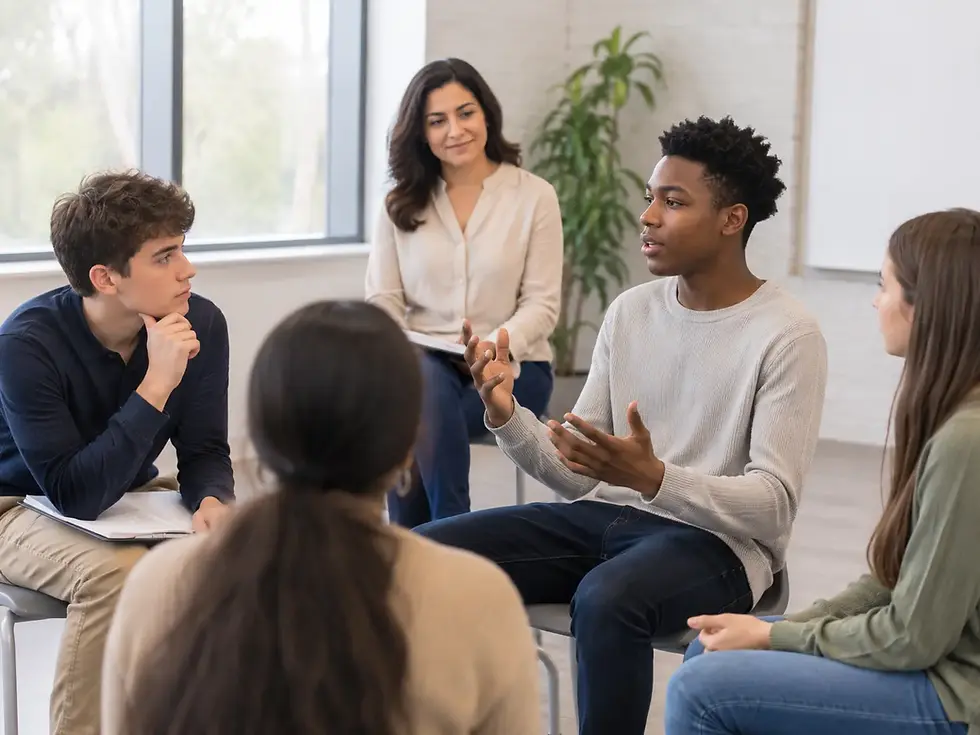
Enhancing Student Awareness through Voice Projection and Pacing
Voice projection, pacing, and pauses are usually taught as speaking skills. They are also listening skills.
When students practice projecting their voice, they begin to understand whether others can hear them. When they practice pacing, they start to notice whether the audience can follow them. When they use pauses, they give listeners time to absorb the message.
This teaches students to think beyond themselves.
That shift is important. Nervous speakers often focus inward. They think about their own anxiety, their own mistakes, their own fear of being judged. Public speaking practice gradually moves their attention outward. They begin to ask: "Can my audience understand me?" Am I speaking too quickly? Did I explain that clearly? Do I need to slow down?,
That awareness creates stronger communication.
A child who learns to pace a story finds it easier to understand. A teen who learns to pause during a presentation sounds more confident. A student who learns to project without shouting becomes more comfortable speaking in classrooms, interviews, and group settings.
Good speakers are not just loud. They are aware.
Teaching Kids to "Read the Room" Through Body Language and Eye Contact
Listening is not only about words.
Kids and teens also need to learn how to notice facial expressions, posture, attention, confusion, interest, and discomfort. These are real communication signals. A speaker who can read the room can adjust.
Public speaking practice helps students become more aware of body language, both their own and other people's.
They learn that eye contact is not about staring at people like a courtroom witness. It is about connection. They learn that posture affects how they feel and how others receive their message. They learn that gestures can support a point, but nervous movement can distract from it.
They also learn to notice their audience.
Are people following? Do they look confused? Did the example land? Is the group ready for the next point?
These are listening skills, even though they are visual. Strong communicators listen with their ears, eyes, and attention.
For students, this can improve school presentations, peer conversations, interviews, and leadership moments. It also helps them become more socially aware, which matters far beyond public speaking class.
How Public Speaking Builds Confidence in Children
Fear of public speaking is common for kids and teens. It does not mean something is wrong with them. It means they are human.
The goal is not to remove every nerve. That is unrealistic. The goal is to help students manage nerves so they can still think, speak, listen, and participate.
Public speaking practice does this by making the situation more familiar. Students learn what it feels like to stand up, use their voice, make eye contact, forget a word, recover, answer a question, and keep going.
The more familiar it becomes, the less threatening it feels.
Better listening also reduces nervousness. When students are anxious, they often miss instructions, questions, or feedback because their minds are preoccupied with worry. With practice, they learn to slow down and focus on the task. Listen to the question. Take a breath. Organize the first sentence. Speak clearly.
That simple process can make a big difference.
Confidence does not arrive because someone tells a child, “Just be confident.” That usually works about as well as telling a printer to “just connect.” Confidence grows through repeated practice, structure, encouragement, and small wins.
Storytelling Teaches Students to Listen for Details
Storytelling is one of the most useful public speaking skills for kids and teens because it teaches them how to use examples.
A good story has details. It has a sequence. It has a point. It helps the listener understand the message.
When students practice storytelling, they learn to choose details that matter and leave out details that do not. They learn how to make an example clear. They learn how to explain what happened, why it mattered, and what they learned.
This also helps them become better listeners.
They start to hear when a story has a clear point. They notice when someone is giving an example. They understand how details affect meaning. They become better at asking follow-up questions because they are listening for what is missing.
That skill carries into school and life.
In class, students can explain their thinking more clearly. In interviews, teens can answer behavioral questions with stronger examples. In group projects, they can explain a problem or solution in a way others understand. In social situations, they can become more thoughtful conversationalists.
Storytelling is not fluff. It is structure, listening, memory, and self-expression working together.
Public Speaking Helps Kids Speak with Adults and People in Authority
Many kids can talk comfortably with friends but become quiet around teachers, coaches, principals, interviewers, or other adults. Teens may also struggle when speaking to people in positions of authority, especially in high-stakes situations like interviews, auditions, applications, competitions, or leadership opportunities.
Public speaking practice helps bridge that gap.
Students learn how to introduce themselves, explain their ideas, answer questions, and speak respectfully without shrinking. They learn that confidence does not mean being loud or overly polished. It means being clear, prepared, and present.
Listening plays a major role here.
When speaking with adults, students need to follow instructions, understand questions, listen to feedback, and respond appropriately. They need to know when to give a direct answer and when to explain further. They need to avoid rushing, mumbling, or giving one-word responses when more detail is needed.
These are not personality traits. They are skills.
A teen preparing for a university interview can learn how to listen carefully, pause before answering, organize examples, and speak with maturity. A child preparing for a class presentation can learn how to listen to teacher feedback and improve. A student in a leadership role can learn how to listen to peers before making a point.
That is communication training with real-world value.
Public Speaking is Not Just for Outgoing Kids
One of the biggest myths about public speaking is that it is only for naturally confident or charismatic students.
That is wrong.
Public speaking is especially valuable for students who are quiet, shy, nervous, hesitant, or unsure of themselves. They do not need to become someone else. They need a safe place to practice becoming more comfortable in themselves.
Some kids will never be the loudest person in the room. Good. The world has enough loud people who think volume is a strategy.
The goal is not to make every child perform like a stage actor. The goal is to help each student express ideas clearly, listen thoughtfully, and participate with more confidence.
For some students, progress means speaking louder. For others, it means slowing down. For others, it means making eye contact, answering a question, joining a discussion, telling a story, or giving a short presentation without freezing.
Every step matters.
Public speaking gives kids and teens a structured way to practice these skills instead of hoping they magically appear when needed.
How Stand Up and Speak Helps Kids Become Stronger Communicators
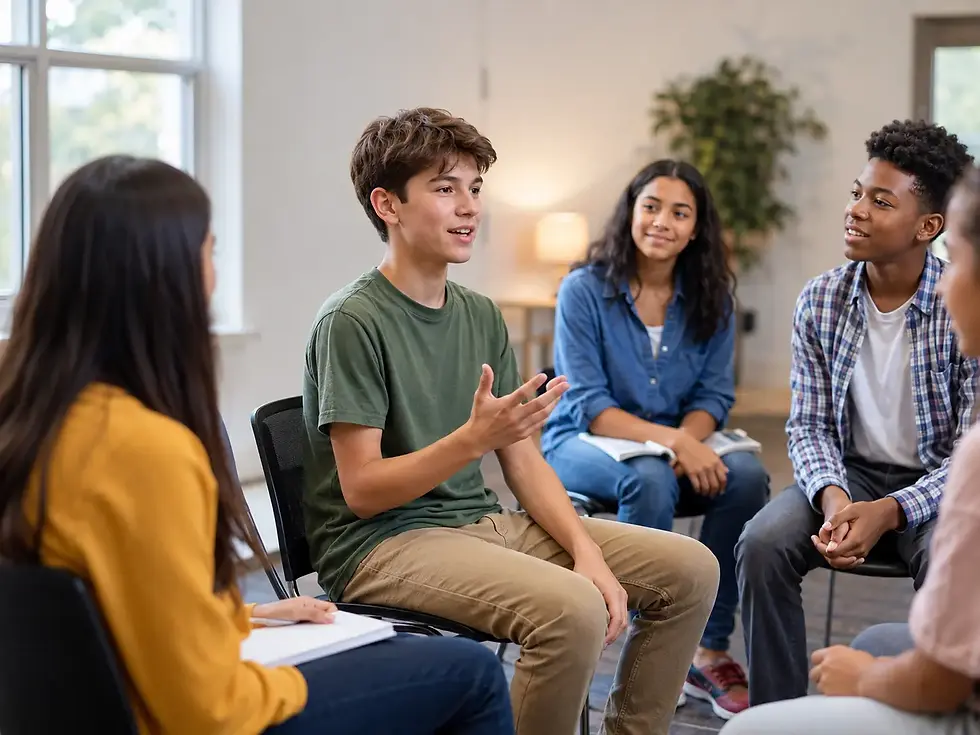
At Stand Up and Speak, students build communication skills through coach-led practice, structure, feedback, and encouragement.
Our programs help kids and teens practice speaking in front of others, organizing their ideas, projecting their voices, improving pacing, using body language, making eye contact, managing their nerves, and responding to questions. Just as important, students learn how to listen to others, give and receive feedback, participate in discussions, and think on their feet.
For parents, this matters because public speaking supports more than school presentations.
It helps with classroom participation, leadership opportunities, group projects, debate, interviews, university preparation, job readiness, and everyday confidence. It helps students become more prepared to express themselves in academic, social, and high-stakes situations.
Families can explore Stand Up and Speak programs for kids and teens, including Confident Communicator Courses, Competitive Programs, Private Coaching, presentation skills, debate training, interview preparation, and university preparation.
Whether your child is nervous, quiet, enthusiastic, uncertain, or ready for a bigger challenge, the right environment makes a difference.
Final thoughts: Public Speaking Helps Kids Become Better Listeners
Public speaking helps kids become better listeners by teaching them to pay attention, process information, organize their thoughts, respond clearly, and connect with others.
It is not just about standing at the front of a room. It is about learning how to communicate in real life.
A student who can listen carefully is more likely to answer thoughtfully. A student who can organize ideas is more likely to speak clearly. A student who can manage nerves is more likely to participate. A student who can respond under pressure is more prepared for presentations, interviews, debates, group discussions, leadership opportunities, and everyday conversations.
These skills are learnable. They improve with preparation, practice, encouragement, and the right coaching environment.
If you want your child or teen to build confidence, improve communication skills, become a stronger listener, and feel more comfortable speaking in front of others, explore Stand Up and Speak programs for kids and teens. With the right support, students can become clearer, calmer, and more confident communicators, ready to face school, interviews, presentations, leadership opportunities, and the challenges ahead.
Contact Stand Up and Speak for help choosing the right program.
FAQ Section
How does public speaking help kids become better listeners?
Public speaking helps kids become better listeners because they learn to pay attention before responding. In presentations, discussions, debates, and Q&A sessions, students must listen to questions, understand feedback, follow others' ideas, and respond clearly.
Can public speaking help a shy or nervous child?
Yes. Public speaking is a learnable skill, not a personality type. Shy, quiet, or nervous kids can improve through preparation, structure, supportive coaching, and repeated practice. The goal is not to turn every child into a loud performer. The goal is to help them communicate with more comfort and confidence.
How does public speaking help with school presentations?
Public speaking helps students organize their ideas, project their voices, pace themselves, maintain eye contact, manage their nerves, and explain their thoughts clearly. These skills make school presentations feel less overwhelming and help students become more prepared and confident.
Does debate help kids improve listening skills?
Yes. Debate teaches students to listen carefully to another point of view before responding. They learn to understand arguments, identify key points, think critically, and respond respectfully. This improves both listening and speaking.
Can public speaking help teens with interviews and university preparation?
Yes. Teens who practice public speaking become more comfortable answering questions, organizing examples, managing nerves, and speaking clearly under pressure. These skills are valuable for university interviews, job interviews, leadership opportunities, and group discussions.
At what age should kids start learning public speaking?
Kids can begin learning public speaking at a young age when the environment is supportive and age-appropriate. Younger students can practice storytelling, voice projection, listening, and simple presentations, while older students and teens can develop skills in debate, interviewing, leadership, and advanced presentations.


Comments